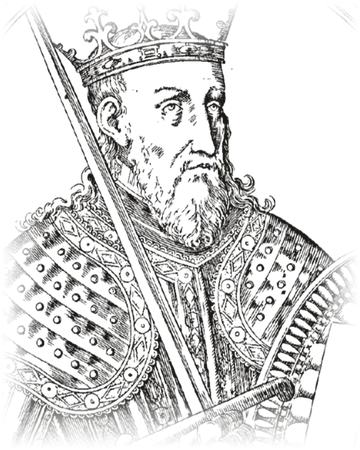
1139–1185
Afonso I
Afonso Henriques
«the Conqueror»
The first king. Went to war against his mother, called himself king after Ourique, and took Lisbon in 1147.
From Afonso Henriques to Manuel II: 771 years, four dynasties, and a family tree with more crooked branches than you'd think.
A dynasty is a family on the throne. As long as the crown passes from father to son — or to a brother, a daughter, a cousin — the dynasty goes on. When the crown jumps to another family, a new one begins. Portugal had four.
For each monarch, the line linking them to the one before says how they were related. The dashed ones are disputed reigns: some people acclaimed them, but most historians don't count them.
The descendants of Count Henry, a knight from Burgundy, and Teresa. They made the kingdom and completed its map.
1139–1185
Afonso Henriques
«the Conqueror»
The first king. Went to war against his mother, called himself king after Ourique, and took Lisbon in 1147.
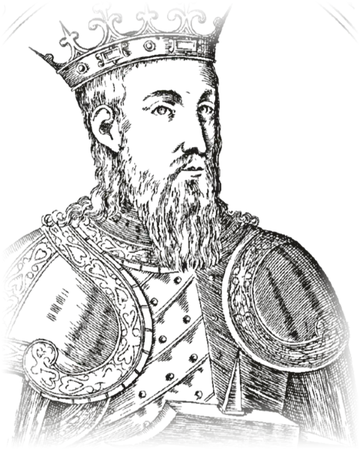
1185–1211
«the Populator»
Settled the interior: founded Guarda in 1199 and granted charters to many towns. Took Silves with crusaders in 1189.
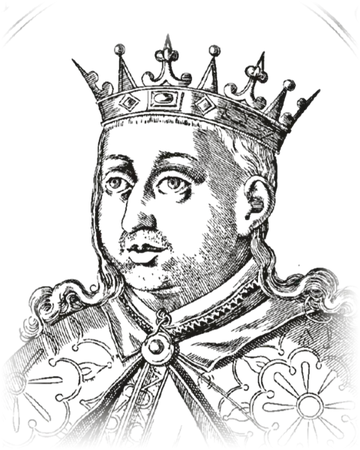
1211–1223
«the Fat (tradition)»
Made his will in Portuguese in 1214 — the oldest royal document in the language that has come down to us.
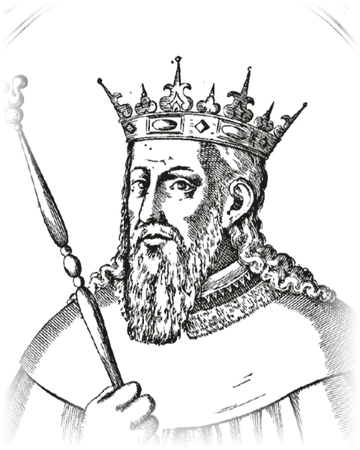
1223–1248
«the Cowled»
King at about thirteen, he conquered half the Alentejo — and in 1245 the Pope handed the government to his brother.
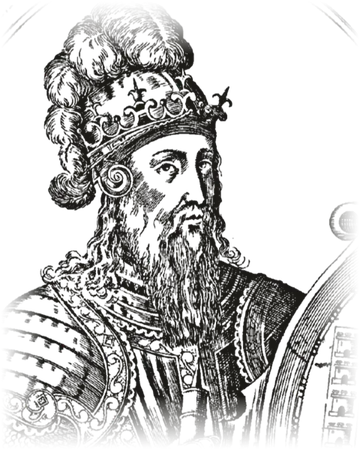
1248–1279
Count of Boulogne
Pushed his brother aside, reached Faro in 1249 and completed the map: with him, "king of Portugal and of the Algarve" became a title that stuck.
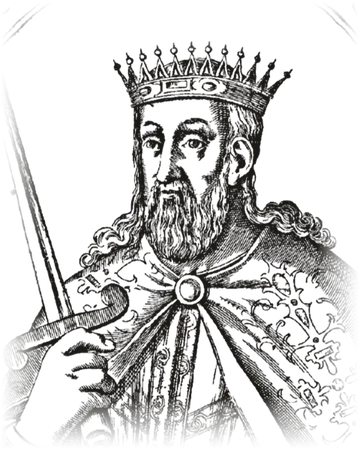
1279–1325
«the Farmer»
Founded the Estudo Geral in 1290, the seed of the university, and settled the border with Castile at Alcañices (1297).
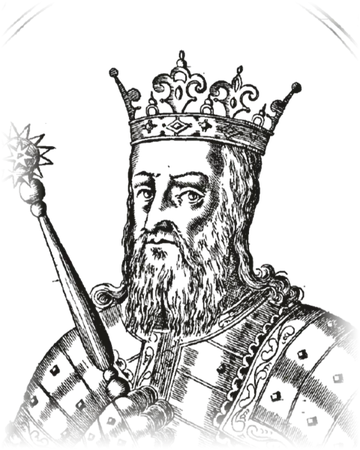
1325–1357
«the Brave»
Fought at the battle of Salado (1340), reigned through the Black Death, and ordered the killing of Inês de Castro.
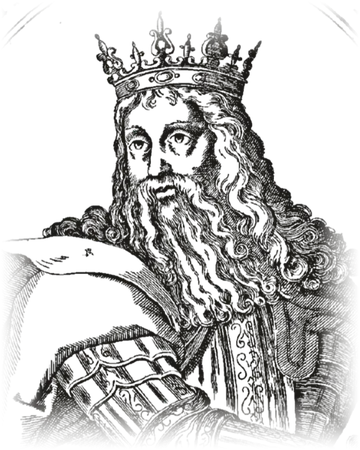
1357–1367
«the Just (or the Cruel)»
Of Inês de Castro fame: once king, he had two of her killers cruelly executed.
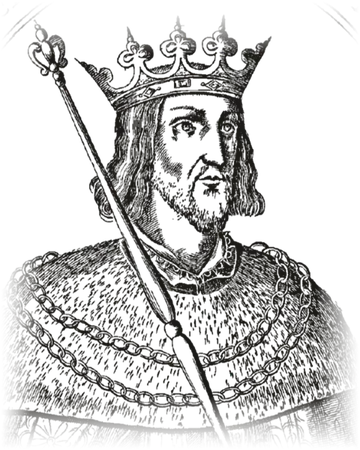
1367–1383
«the Handsome»
Three wars with Castile, and laws to get the land farmed and ships to sea. Died leaving only a daughter, married to the king of Castile.
1383–1385
Disputed reign: Portuguese historians don't count her among the monarchs.
Proclaimed queen on her father's death, with her mother as regent. The Lisbon revolt and Aljubarrota shut her out.
1383–1385: two years without an undisputed king. Lisbon rises, the Cortes of Coimbra choose the Master of Avis, and Aljubarrota settles the rest.
It begins with an illegitimate son who was master of a military order and ends with a childless cardinal. In between: Ceuta, Tordesillas and the sea route to India.
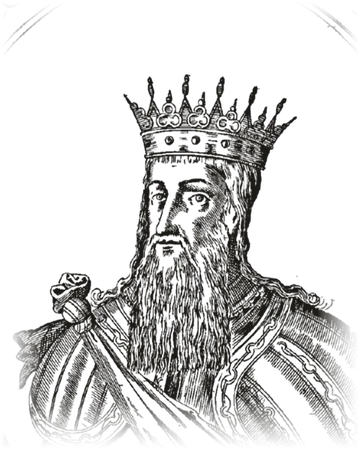
1385–1433
Master of Avis
«of Good Memory»
Won Aljubarrota with Nuno Álvares and English allies, then went off to take Ceuta (1415).
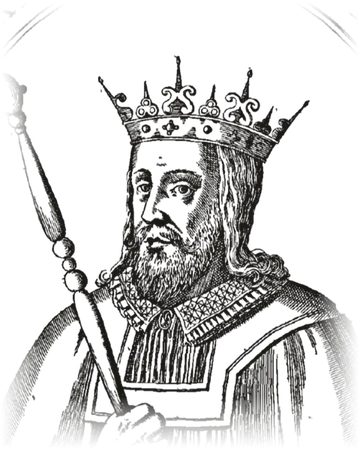
1433–1438
«the Eloquent»
The king who wrote books. The attack on Tangier failed and his brother, Prince Fernando, died a captive.
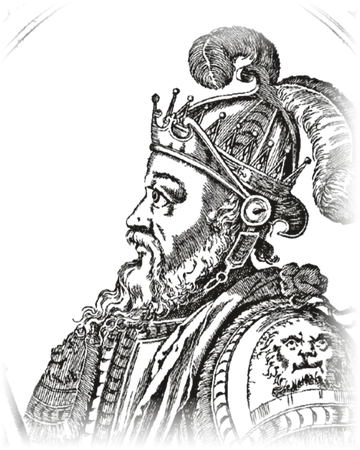
1438–1481
«the African»
King at six. Took strongholds in North Africa and even tried to become king of Castile.
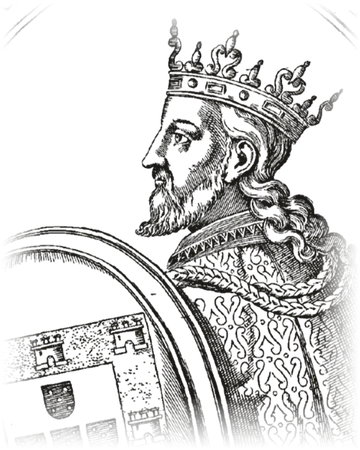
1481–1495
«the Perfect Prince»
Negotiated the Treaty of Tordesillas (1494), which split the undiscovered world with Castile.
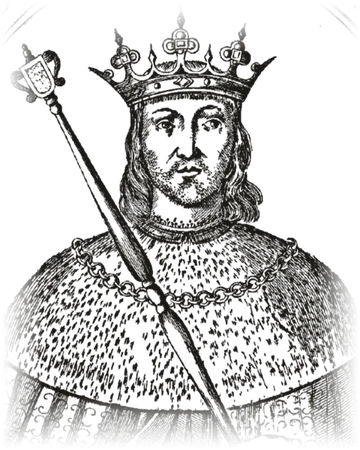
1495–1521
«the Fortunate»
On his watch Vasco da Gama reached India by sea (1498).
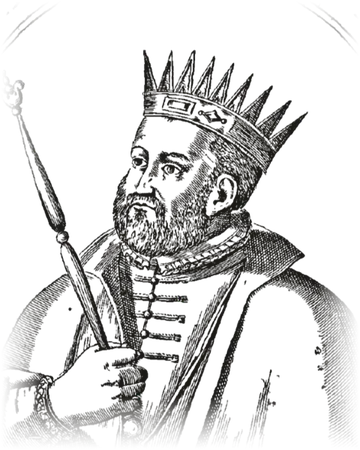
1521–1557
«the Pious»
Let the Inquisition into Portugal (1536).
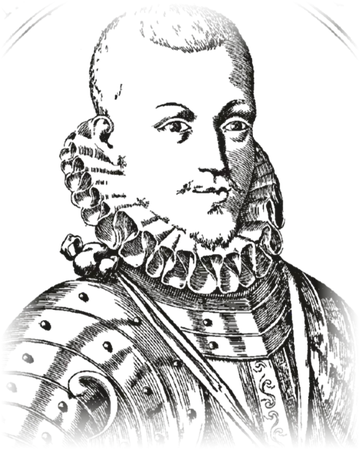
1557–1578
«the Desired»
King at three. Died — or vanished — at Alcácer Quibir, childless, leaving the country without an heir.
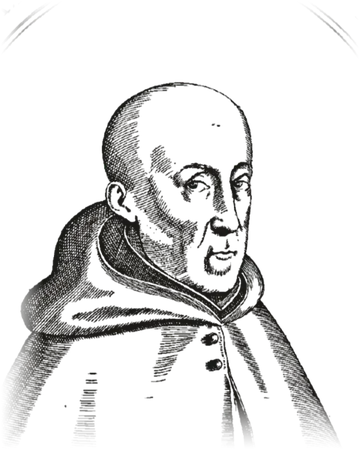
1578–1580
the Cardinal-King
A cardinal and inquisitor-general, he became king at 66 and died two years later without leaving a successor.
1580
Prior of Crato
Disputed: most historians don't count him as king.
Acclaimed king by his supporters in 1580, he lost at Alcântara and tried again in the Azores, where his fleet was destroyed in 1582.
1580: Philip II of Spain, a grandson of Manuel I through his mother, inherits the crown — and marches in with an army to hold it.
Three kings of Spain who were also kings of Portugal. The kingdom stayed separate — that is what Philip I swore at Tomar — but the king lived in Spain.
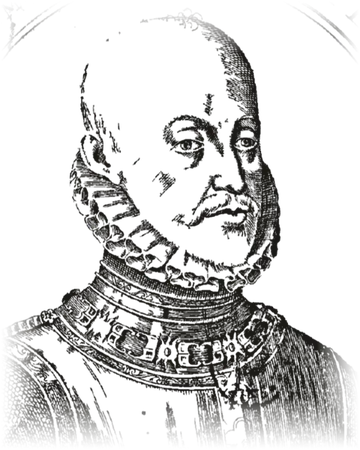
1581–1598
Philip II of Spain
«the Prudent»
Inherited through his Portuguese mother and, at the Cortes of Tomar (1581), swore to rule Portugal as a separate kingdom.
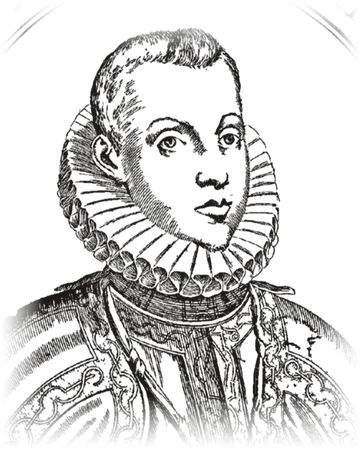
1598–1621
Philip III of Spain
Left most of his power in the hands of his favourite, the Duke of Lerma.
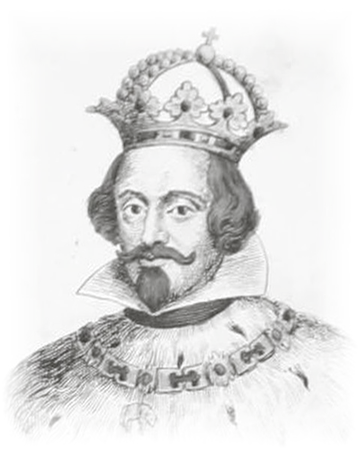
1621–1640
Philip IV of Spain
He was king when Portugal rebelled in 1640 and got its own king back. He lived until 1665 without accepting it.
1 December 1640: a group of nobles rises in Lisbon and acclaims the Duke of Braganza. Spain only recognises independence in 1668.
The Dukes of Braganza, descended from Manuel I. They restored independence, fled to Brazil, fought a civil war between brothers, and ended with a twenty-year-old king in exile.
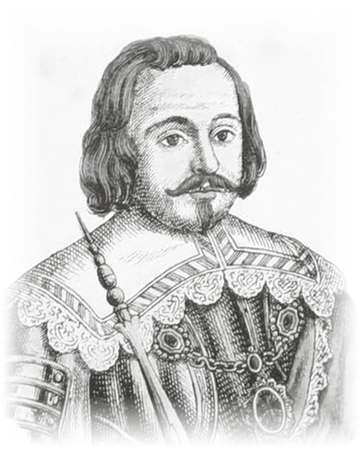
1640–1656
Duke of Braganza
«the Restorer»
The duke made king in 1640: with him Portugal had its own king again.
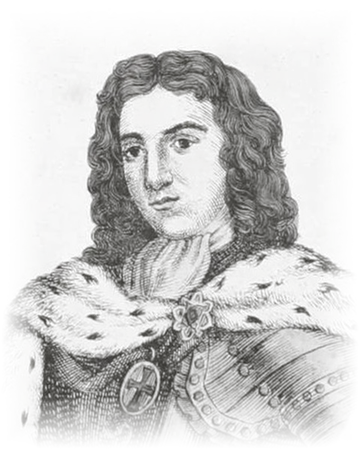
1656–1683
«the Victorious»
In his reign Spain recognised independence (1668) — but his brother took his power and married his wife.
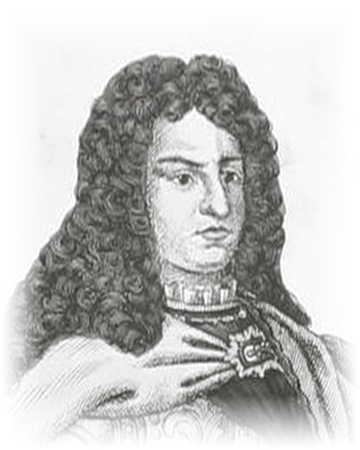
1683–1706
«the Peaceful»
Ruled as regent in his brother's place from 1668, married his ex-sister-in-law, and only became king when his brother died.
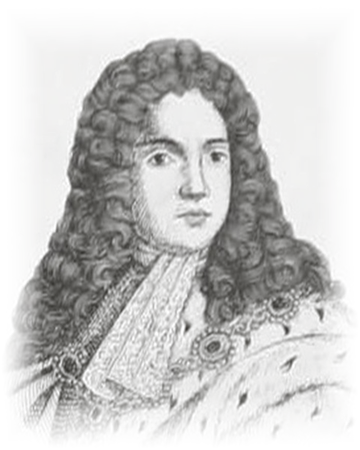
1706–1750
Brazilian gold filled his coffers, and he spent it lavishly — with the convent at Mafra top of the list.
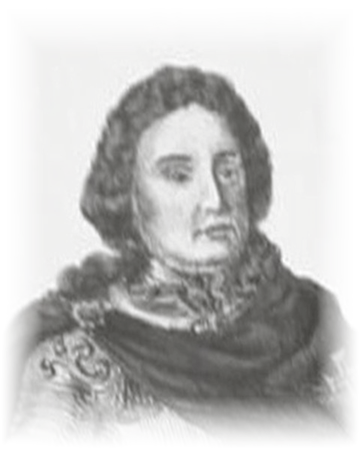
1750–1777
The king of the 1755 earthquake. Afterwards he refused to live within stone walls again.
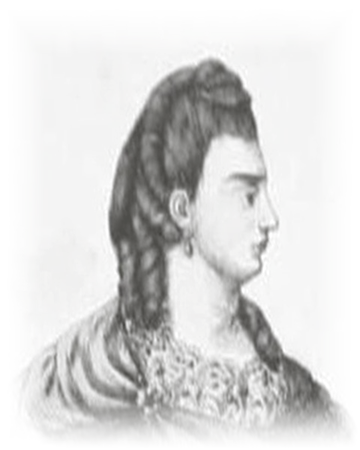
1777–1816
She reigned for almost forty years, but mental illness put her son in charge for her; she died in Rio de Janeiro.
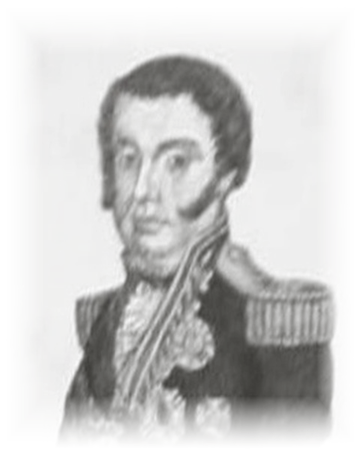
1816–1826
Fled Napoleon in 1807 and took the court to Brazil: for years, Rio de Janeiro was in practice the capital.
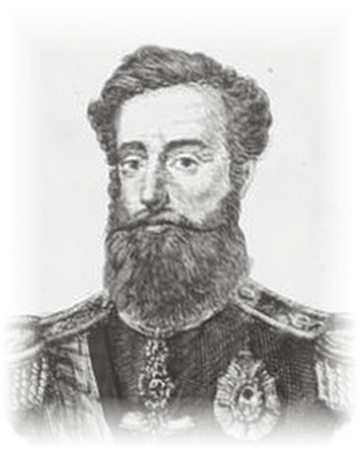
1826
Pedro I of Brazil
King of Portugal for just two months: already Emperor of Brazil, he abdicated in favour of his seven-year-old daughter.
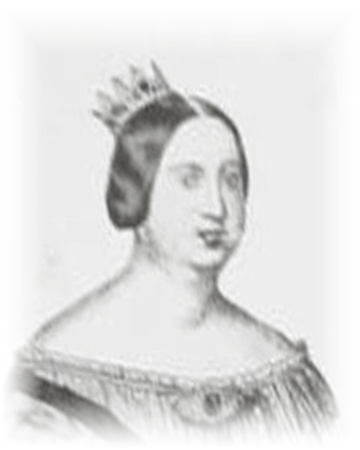
1826–1853
Queen at seven, pushed aside by her uncle in 1828, back in 1834 after the civil war. Died in childbirth at 34.
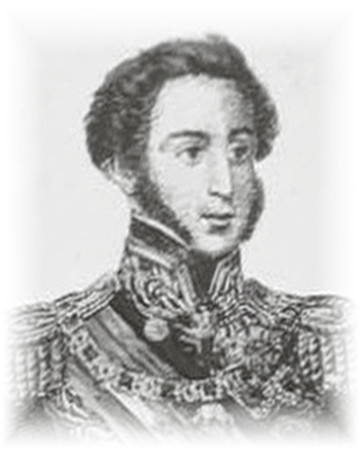
1828–1834
Disputed: he reigned in fact from 1828 to 1834, but the liberals called him a usurper, and at Évora-Monte he had to renounce the throne and leave for exile.
Came as his niece's regent and made himself absolute king. It ended in civil war with his brother and 32 years of exile.
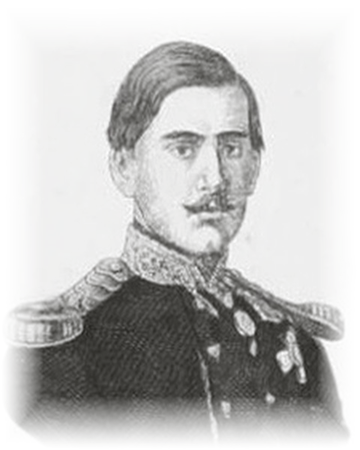
1853–1861
«the Hopeful»
King at 16, widowed soon after, dead at 24 in an epidemic — typhoid or cholera, the sources disagree.
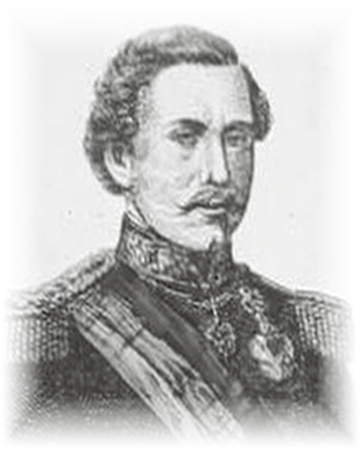
1861–1889
He was never meant to be king: he got the throne because his brother died young and childless.
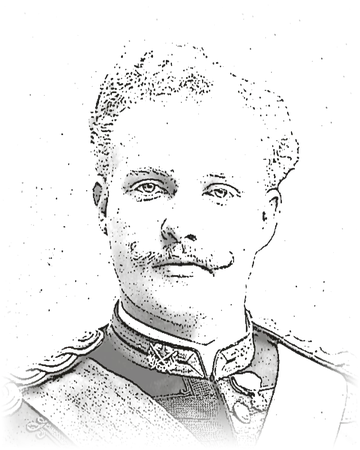
1889–1908
Shot dead in Lisbon on 1 February 1908, in an open carriage, along with his eldest son.
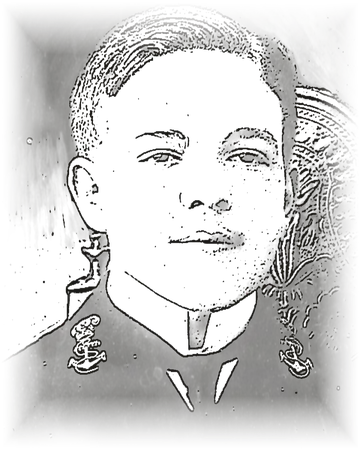
1908–1910
King at 18, after his father and brother were shot dead. Two years later, the Republic sent him into exile.
5 October 1910: the Republic. Manuel II died in exile in England in 1932. Portugal never had a king again.
We only show the years of each reign: the exact days don't always match from one source to another. Be careful with the nicknames, too — not all of them date from the king's own time; Afonso II's, "the Fat", for instance, is tradition. We only show the ones we found in the sources below.
The portraits from Afonso Henriques to Philip II were engraved by Pedro Perret in 1603 — for almost all of them, centuries after they died, so they are imagined. Those from Philip III to Luís come from a 19th-century set of lithographs; those of Carlos and Manuel II are photographs. We turned them all into engravings so they would look like one family.